← Back to all stories
🧁 Quiz
Food · Baking
The Muffin Quiz: 14 Questions Only Serious Bakers Can Pass
Sweet, savory, blueberry or banana — how well do you actually know your muffins? Pick your answers. We'll tell you if you were right. Only real muffin lovers are getting above 11.
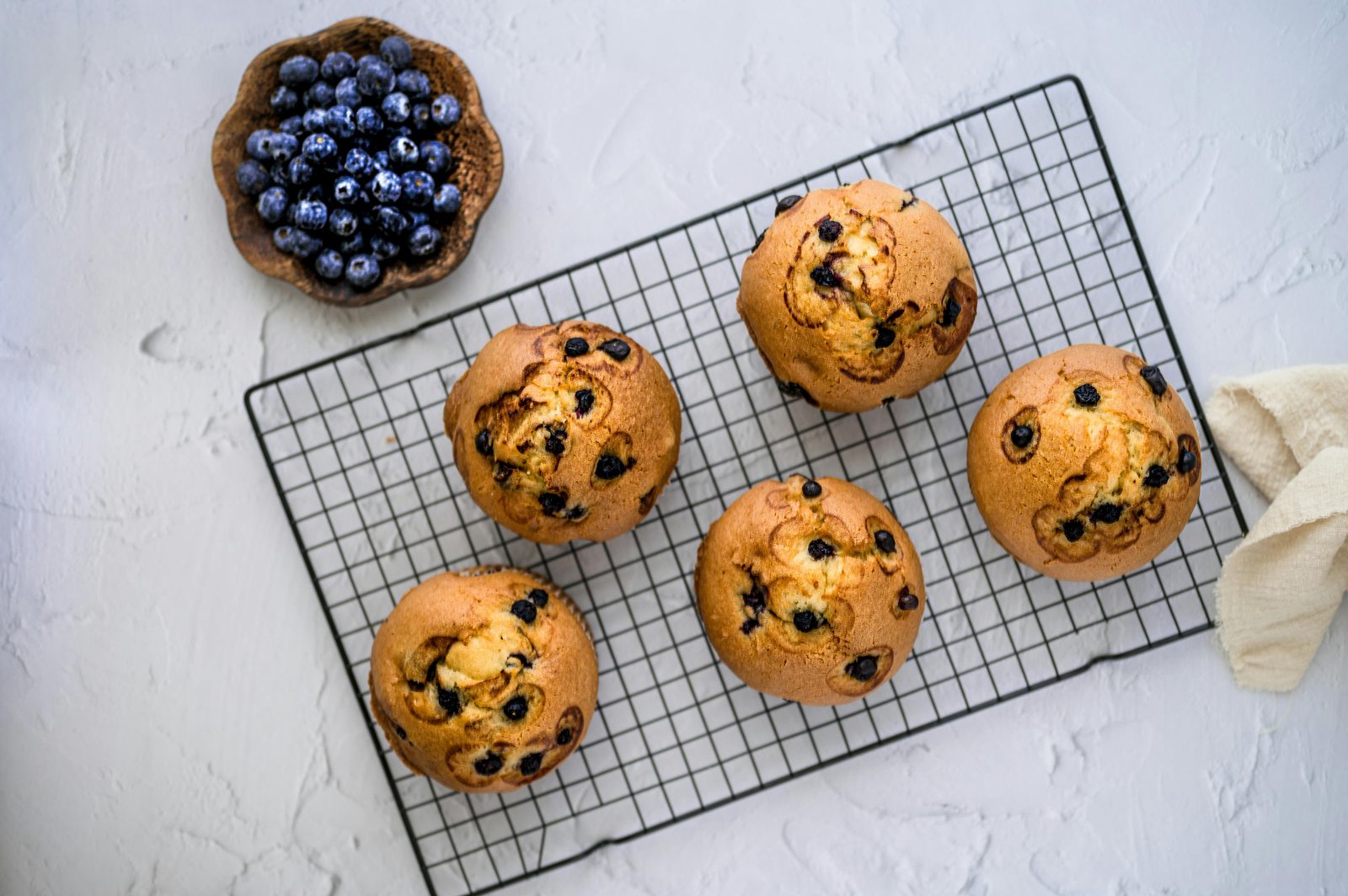
Muffins look simple — flour, sugar, something wet, bake — and yet almost nothing in baking punishes small mistakes more specifically. Overmix by ten seconds too long and you get hockey pucks. Overfill the tin by a spoonful and you lose the dome. Below are 14 questions that separate the people who love muffins from the people who actually understand them. Get started.
Question 0 of 14
0 correct
Question 1 of 14
What fruit is most commonly used in a classic fruit muffin?
Blueberry. Blueberry muffins are the default fruit muffin in virtually every bakery case in the English-speaking world. The combination became standard in the early 1900s, and it has never really let go.
Question 2 of 14
What part of the muffin is usually slightly crispy and domed?
The top. That is, in fact, the entire reason "muffin top" became a word. High heat early in the bake drives the batter upward, creating the signature dome with crispier sugared edges.
Question 3 of 14
What happens if you overmix muffin batter?
They turn tough and dense. Overmixing develops the gluten in the flour, which is what you want in bread — and absolutely not what you want in a muffin. Fold just until there are no dry streaks left.
Question 4 of 14
Why are muffin tins commonly used to bake muffins?
To shape and evenly bake them. The cups give each muffin its signature form and ensure consistent portion size, even baking, and that domed top can even rise.
Question 5 of 14
Which type of nut is most commonly added to muffins?
Walnuts. The classic pairing — walnut-banana, walnut-blueberry, walnut-bran — has held for decades. Pecans and almonds are close seconds, but walnuts still win on sheer ubiquity.
Question 6 of 14
What's often sprinkled on top of muffins before baking?
Sugar. Coarse or turbinado sugar sprinkled on top creates that crunchy, sparkling crust on the dome — the signature finish on bakery-style muffins.
Question 7 of 14
How full should muffin tins be filled before baking?
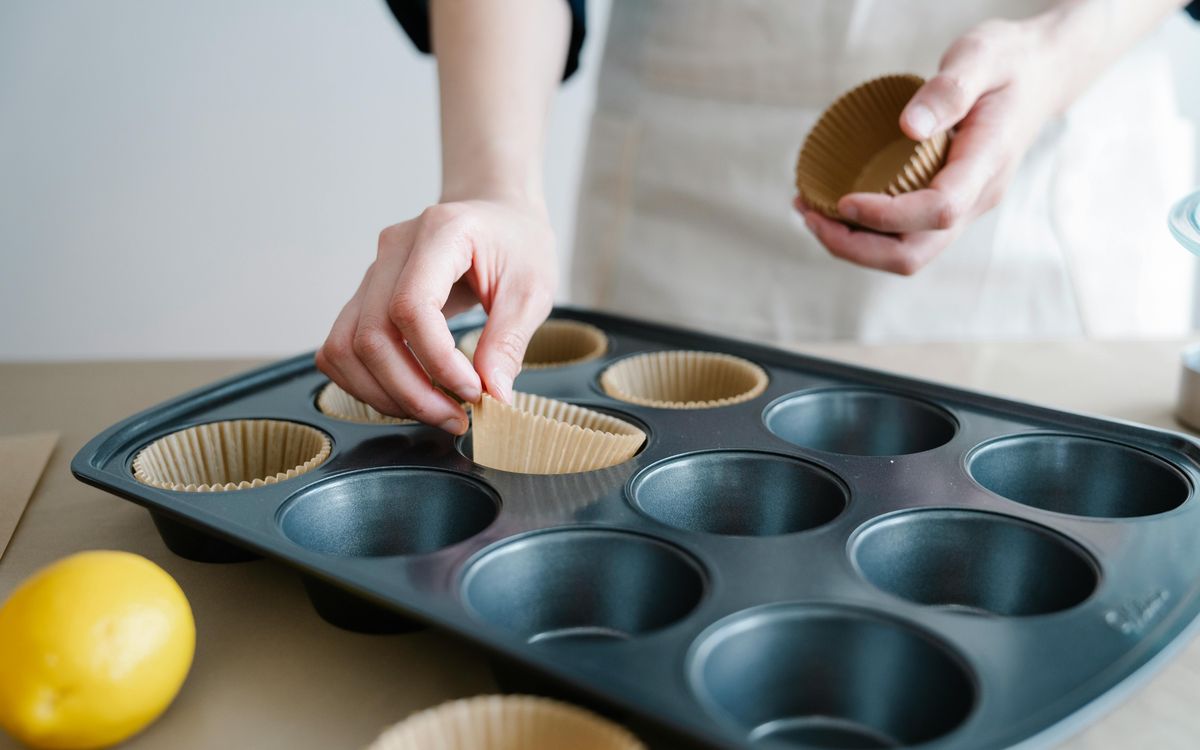
2/3 to 3/4 full. This is the sweet spot for a classic tall dome. Less, and the muffin stays flat; more, and you get a mess that spills and spreads into the next cup.
Question 8 of 14
What's the difference between a muffin and a cupcake?
Muffins are less sweet and denser. The main technical distinction is that cupcakes use the "creaming method" (butter and sugar whipped together) to create a light, tender crumb, while muffins use the "muffin method," producing a coarser, denser, less-sweet result.
Question 9 of 14
What ingredient keeps muffins moist?
Oil. Unlike butter, which re-solidifies as it cools, oil stays liquid at room temperature — which is why muffins made with oil stay soft and moist for days, while butter-based ones harden overnight.
Question 10 of 14
What temperature are muffins typically baked at?
350–400°F. A common trick for a tall dome: start at 425°F for the first five minutes to drive an initial burst of rise, then drop to 350°F for the rest of the bake.
Question 11 of 14
What's the difference between an English and an American muffin?
English muffins are flat, American muffins are rounded. English muffins are a yeasted, griddle-cooked bread roll with the famous "nooks and crannies." American muffins are the sweet, cake-like, domed thing you're thinking of. They are, essentially, unrelated.
Question 12 of 14
What's the "muffin method"?
Mixing wet and dry separately, then combining. This technique — beloved for its simplicity — is why muffins are a beginner's first real bake. Wet in one bowl, dry in another, combine with minimum stirs.
Question 13 of 14
What's a "streusel topping"?
A crumbled mix of butter, sugar, and flour. Often with cinnamon. German in origin (streusel means "something scattered"), it adds a crunchy, sweet top layer and is the move for any muffin you want to elevate with five minutes of extra effort.
Question 14 of 14
What's the best way to check if muffins are fully baked?
The toothpick test. Insert into the center; if it comes out clean or with a few dry crumbs, you're done. Wet batter means more time. Dark outside does not equal done inside.