There is almost nothing harder, in 2026, than having a relaxed relationship with food. Every week, social media seems to relitigate the question of whether some normal ingredient — something your grandparents ate every day — is "toxic," "inflammatory," or secretly responsible for your cortisol levels. We asked a registered dietitian, Jane Leverich, to walk us through the twelve most commonly demonized foods and tell us, plainly, which concerns are real and which are just marketing.
Seed oils.
The panic: canola, soybean, sunflower, and corn oils have become the single most demonized ingredient on wellness TikTok. The reality: seed oils are generally fine in moderate amounts. "Much of the concern is overstated," says Leverich. "They're commonly used in fried and ultra-processed foods because they're inexpensive and have a high smoke point — that doesn't make the oils themselves bad. Most are actually rich in unsaturated fats, which support heart health."
The usable advice: if you're eating a lot of deep-fried fast food, the concern isn't the oil — it's the rest of what comes with it.
White rice.
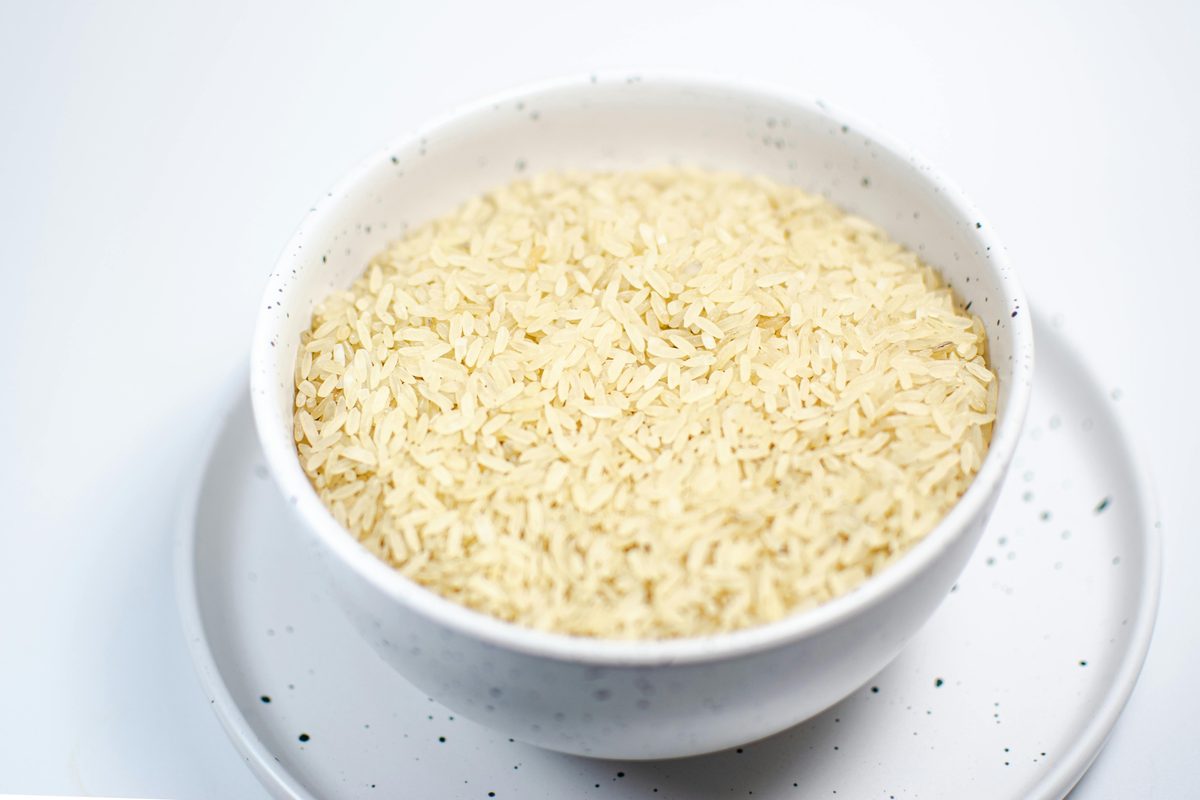
If you grew up eating white rice every day and were later told by the internet that you should have been eating brown rice this whole time — good news. "White rice has a place in a balanced diet," Leverich says, "especially when you consider the cultural relevance. Food is about more than just nutrition — it's tradition and identity."
The useful mental shift: rather than replacing white rice with brown, pair white rice with fiber, protein, and fats. A rice bowl with vegetables, eggs, and avocado is nutritionally excellent, regardless of what color the rice is.
Eggs.
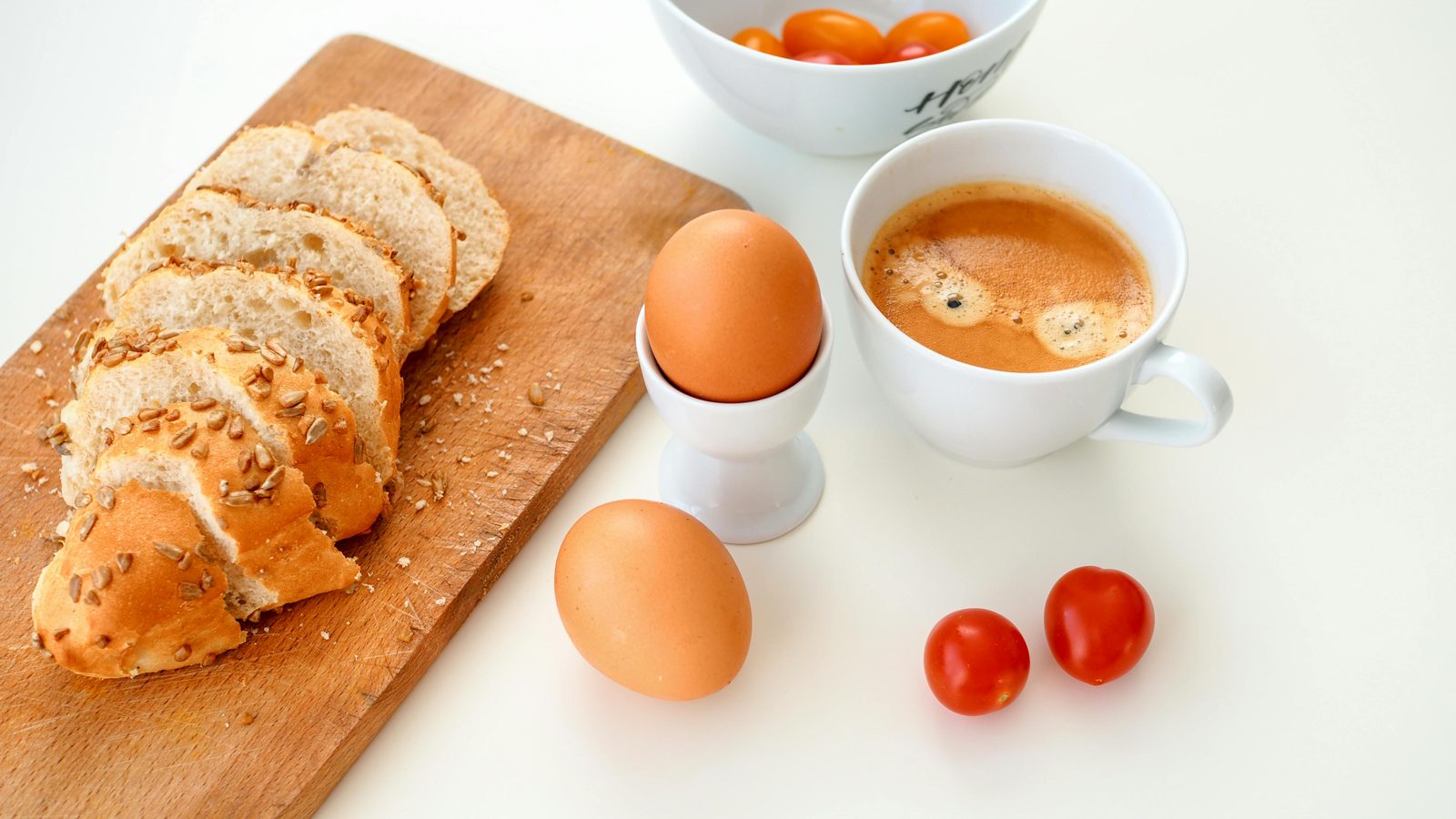
If your grandmother is still convinced eggs are "bad for cholesterol," she can safely update her beliefs. "Eggs are one of the most nutrient-dense, accessible foods available," Leverich says. They deliver high-quality protein along with choline and vitamin D.
Yes, they contain cholesterol. Current research consistently shows that dietary cholesterol has a minimal impact on blood cholesterol levels for most people. (People with existing cholesterol issues should still consult their doctor — but they should consult them about the whole diet, not just the eggs.)
Butter.
"Butter often gets labeled as 'unhealthy' because it's high in saturated fat, but that doesn't mean it needs to be avoided entirely," Leverich says. "Used in moderation, it can absolutely be part of a healthful diet."
Her actual framing: use butter where it matters for flavor — the bread, the roast, the finishing step — and use olive oil more regularly for the everyday cooking that doesn't specifically need butter.
Use butter where it matters. Use olive oil everywhere else. That's essentially the entire fat conversation for most people.
Potatoes.
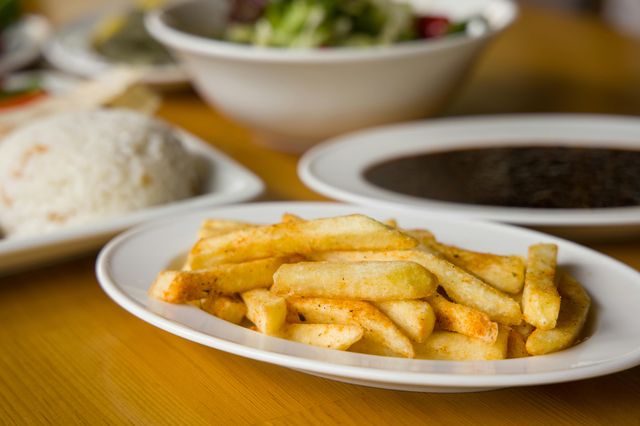
"Potatoes are frequently misunderstood, which is really unfortunate — they're rich in potassium, vitamin C, and fiber," Leverich says. You don't need to be scared of white potatoes. What matters is the preparation. A baked or roasted potato is nutritionally completely different from a deep-fried one, even though they came out of the same sack.
Granola bars.
Some granola bars are a reasonable snack. Some are a candy bar wearing a granola disguise. The variance between brands is enormous — which is also why one TikTok calling "all granola bars pure sugar" is directionally unfair.
Leverich's actual rule: check the label for added sugars, look for fiber and protein, and pick one where the macros look closer to a meal than a dessert. A $2 bar that keeps you full for three hours is a good purchase. A $2 bar that's hungry again 20 minutes later is essentially a cookie.
Chips.
"Chips are often labeled 'junk food,' but they can fit into a balanced diet," Leverich says. The one real drawback is satiety: chips are not very filling, so it's easy to blow past the portion you intended.
Her practical fix: pair them with a protein-rich dip. Greek yogurt-based tzatziki. A cottage-cheese ranch. Hummus. Guacamole with beans in it. The chips become a vehicle for something more satisfying, and a "chip moment" turns into an actual snack.
Salt.
The last decade of nutrition panic around sodium has swung too far. "Salt plays an important role in both flavor and physiology," Leverich says. "It's an essential electrolyte. Most people consume more than recommended — but almost all of that comes from packaged and restaurant foods, not from salting your own cooking."
A useful rule of thumb: if most of your meals are home-cooked, you probably don't need to obsess about salt. If most of your meals come from a bag or a bag-shaped restaurant, that's where the excess is hiding.
Ice cream.

"Ice cream is a great example of how enjoyment and nutrition can coexist," Leverich says, gently pushing back against the culture of strict moderation. "It's okay to include foods purely for pleasure. Rather than focusing strictly on portion control, I like to emphasize being intentional — enjoying it mindfully, as part of an overall balanced pattern."
Dried fruit.
A convenient source of carbs and micronutrients, especially before or after exercise. The one caveat: because the water is gone, the natural sugars are concentrated, and portions are easy to overdo — a handful of dried apricots has about five times the sugar impact of a whole fresh one.
Not a problem at all. Just worth knowing.
Diet soda.
The most controversial entry on the list. Leverich's take: "Diet soda is often criticized, but it can be a really useful tool for people looking to reduce added sugar intake, especially transitioning away from regular soda. Water should be the foundation — but diet soda doesn't need to be demonized."
Translation: if drinking a can a day helps you not drink a can of regular cola, you are winning, not losing.
Red meat.
Beef, pork, lamb, veal. "A rich source of protein, iron, and vitamin B12 — all important nutrients, especially for certain populations," says Leverich. The caveat, which most readers have heard by now, is that processed red meats and very fatty cuts are associated with worse long-term outcomes when consumed in large quantities.
The useful takeaway, which is also the theme of this entire article: eliminating red meat isn't necessary for most people. Being thoughtful about portion size, leaner cuts, and frequency is. Almost nothing on a healthy plate needs to be eliminated. Most of it needs to be, in the end, just a little less automatic.